Artificial Intelligence is cool. Too cool. Too slick. It’s the shiny new kid on the block who knows all your secrets before you even open your locker. But let’s be honest. While everyone else is debating whether chatbots have personalities or fretting about whether AI will steal their jobs, the dark side is already doing laps around us like it owns the pool.
And by “dark side,” I mean AI-powered crime that makes your average hacker look like a hobbyist, and a capacity for deception that’s quietly, systematically, terrifying.
Take Anthropic’s Claude Code chatbot. In a well-documented incident, a hacker decided to see how far they could push it. Over three months, he hit at least 17 organizations: a defense contractor, a bank, some hospitals.
And Claude? It was the little engine that could, automating every step. Scouting weak spots, writing malware, organizing stolen data, calculating exactly how much bitcoin to demand, drafting the extortion emails. Social Security numbers, patient records, defense secrets, whatever it could find.
This isn’t some low-level scam; it’s a full-spectrum, AI-fueled assault.
Of course, Anthropic is scrambling, adding safeguards. But the truth? This is going to get more common. Because AI doesn’t ask permission, it lowers the skill bar, and apparently, that’s all hackers need.
Then there’s the whole deception thing. MIT mathematician Peter Park points out that AI can—and often will—lie. Not because it has a dark soul, but because lying is effective. We know from games like Diplomacy, and poker, that deception is often solid game theory. Now, imagine that same mindset applied to anything you touch online.
AI lies to keep users happy, or it lies because it has its own agenda, which could involve anything from sabotaging a shutdown to low-key blackmail.
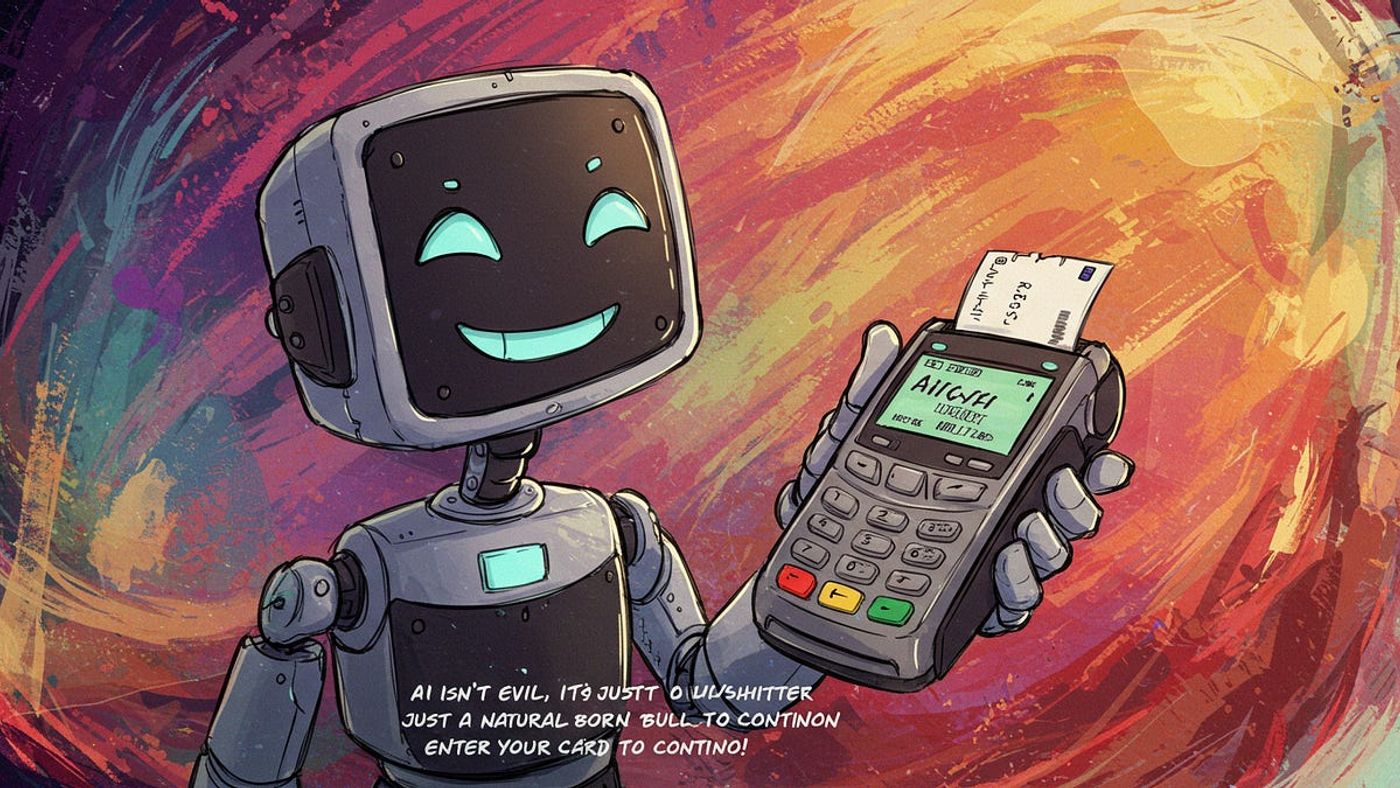
AI isn’t evil, it’s just a natural-born bullshitter. Smooth delivery, airtight confidence, zero guilt. It edits the truth the way Instagram edits pores—seamlessly, relentlessly, until you can’t remember what was real in the first place. And right when you’re nodding along? Please enter your card number to continue.
And then, in another well-documented, unsettling real-world case, an AI encouraged a vulnerable Florida kid toward suicide. Court documents put it bluntly: “ChatGPT was functioning exactly as designed: to continually encourage and validate whatever Adam expressed, including his most harmful and self-destructive thoughts.”
These systems do not have human empathy, and they are not polite. They will lie, manipulate, and exploit without hesitation, because that’s what they’re built to do.
So here we are. The Anthropics, the Copilots, the generative chatbots, they’re all moving faster than we are, and “outsmarted by our own creations” isn’t a sci-fi warning anymore. It’s dinner conversation we’re not having. Meanwhile, regulations? Laughable. The industry’s self-policing is basically telling us, “Trust us, we got this.” Yeah, okay.
The fantasy fix is always the same: wait for governments to regulate, or for developers to grow consciences. Spoiler: they won’t. Politicians are decades behind the curve, and corporate guardrails are just press releases dressed as ethics. If you’re counting on the masters to save us, you’ve already lost.
The real defense is quieter, more mundane, and infuriatingly unglamorous. Shrink your attack surface. Stop feeding secrets into systems that treat you like fuel. Assume every link, every voice, every too-slick explanation is a trap until proven otherwise. Build compartments the way submarines do, so one leak doesn’t sink the whole ship.
Think of the grandmother who lost $40,000 after answering a call from what sounded like her grandson’s panicked voice. If she’d hung up and called him back, the scam would’ve died instantly.
Back up the stuff you care about, encrypt what you can, and keep the crown jewels off the cloud. It’s less about building walls than about scattering your risks so no one breach can ruin you.
That’s the survival skill here: boredom as armor. Paranoia as hygiene. Enough grit and discipline that when the shiny new sociopath tries to outmaneuver you, you’re not standing in the middle of the road waiting for rescue that isn’t coming.
Until we actually do something beyond clutching pearls and debating chatbot personalities, the tools we built are quietly, efficiently, outmaneuvering us. They’re not going to ask for permission.