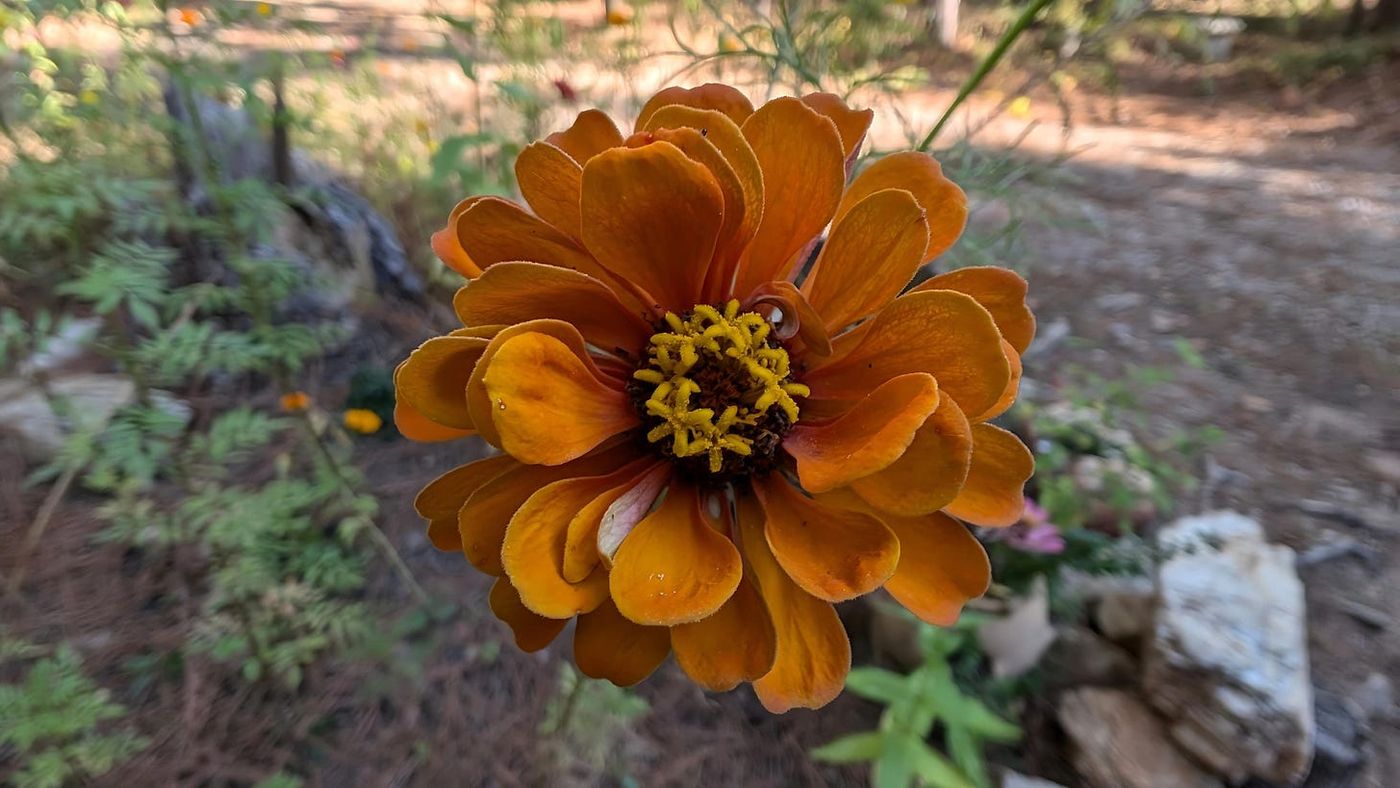
The front yard has come alive again. The air is cooler now, the heavy blanket of summer heat lifting, and with it, the flowers—daisies, asters, coneflowers, zinnias, salvia—have shaken off the long slog. They stand in their beauty, vibrant and open, as though they’ve been waiting all along for this moment, for the gentle pull of autumn to coax them into bloom.
For months, they endured the relentless sun, dry soil, constant breeze tugging at them, yet they survived. The coneflowers, with their deep taproots, reached far beneath the surface, pulling moisture from hidden earth. The tender zinnias grew strong, their waxy leaves and sturdy stems fiercely protecting precious water. The daisies somehow knew their moment would soon come.
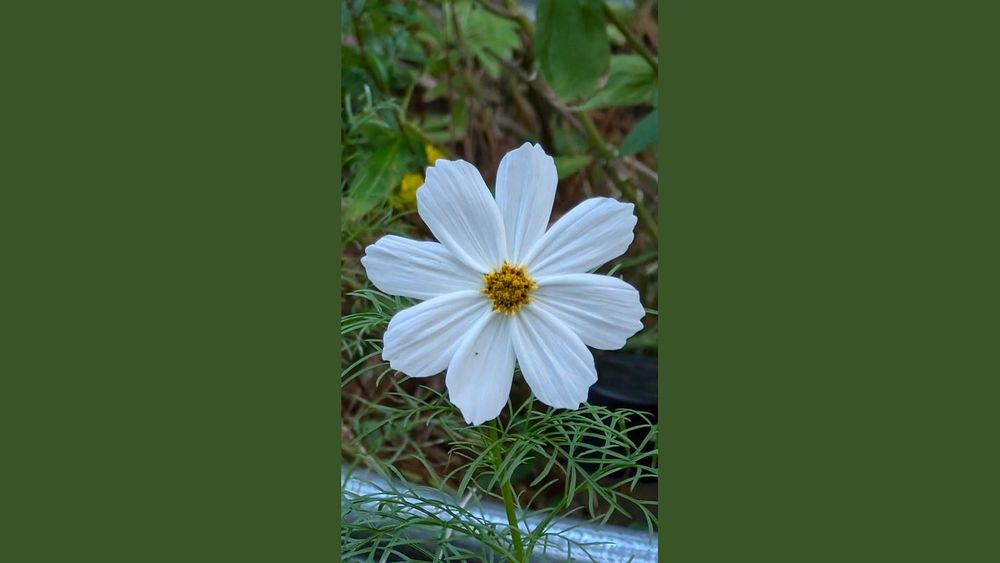
The garden holds wisdom, a quiet understanding that hardship is not an enemy but a partner. They do not resist the heat, nor do they rush to bloom before their time. They wait. They weather the worst of summer, conserving, holding back, trusting that the season will turn. And now, in the coolness of fall, they release their beauty, not as an act of defiance but as a natural culmination of their patient endurance.
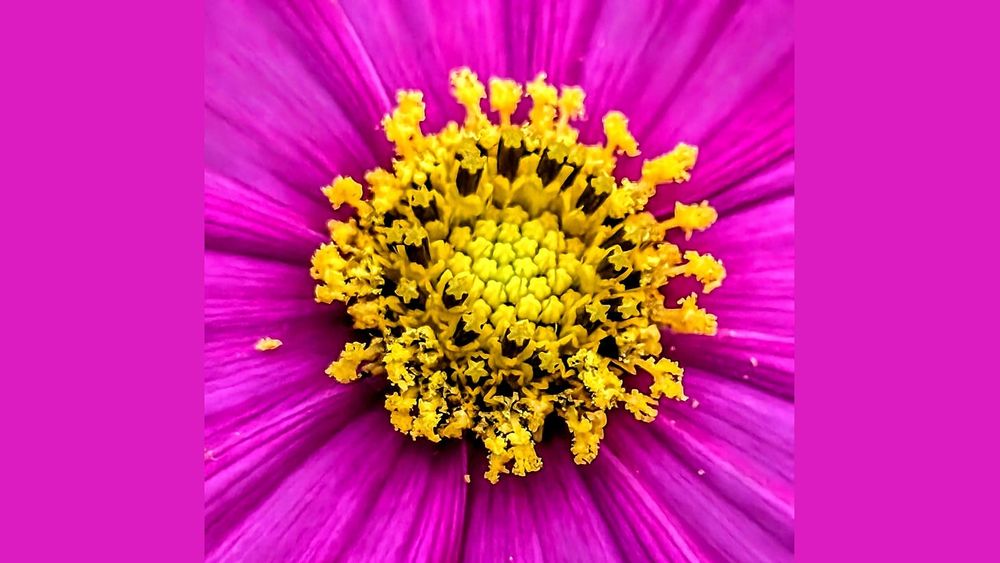
There is an ancient truth here, one that animists have long understood—that all living things, from the smallest flower to the grandest tree, hold within them a spirit, a force of life that moves in concert with the world around them. The daisies and coneflowers do not bloom for themselves alone; they bloom because the earth, the air, and the sun have called them to do so. They are part of the great cycle of life.
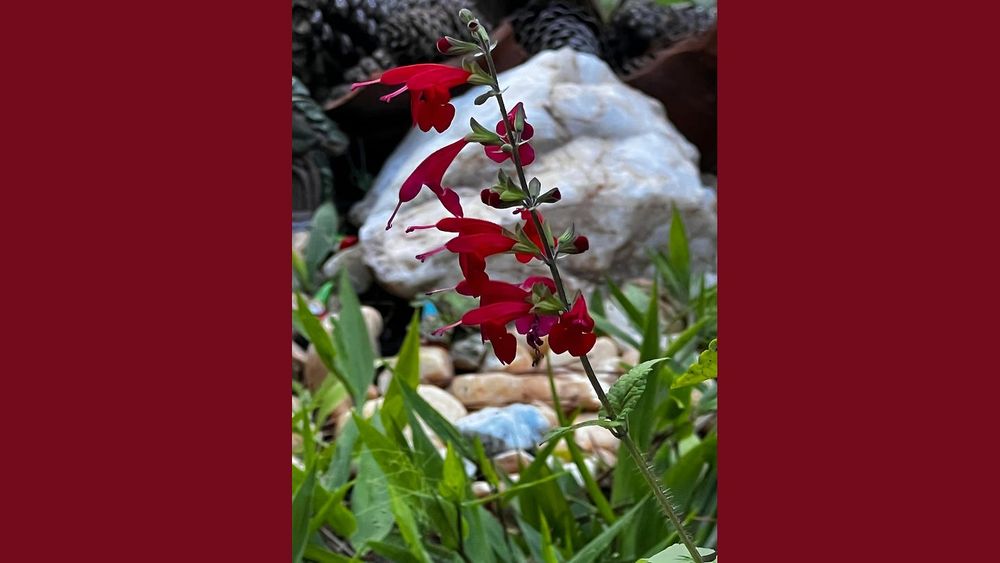
The heat of summer pulled them inward, and now, in the cool of autumn, they open outward, releasing the energy they’ve stored, their blooms radiant and full. They seem to know that beauty comes not from resisting the harshness of life but from moving through it. Their blossoms are not a rebellion against the heat; they are the result of it, a testament to the power of patience and the quiet grace of endurance.
It is easy to see them as mere flowers, simple in their purpose. But each bloom is an expression of the earth’s own spirit, rising in response to the seasons. The coneflowers bend to the wind, their petals a respite for visiting bees and butterflies. Colorful zinnias stand upright and bloom like lighthouses. The cheerful daisies bloom for the simple joy of being.
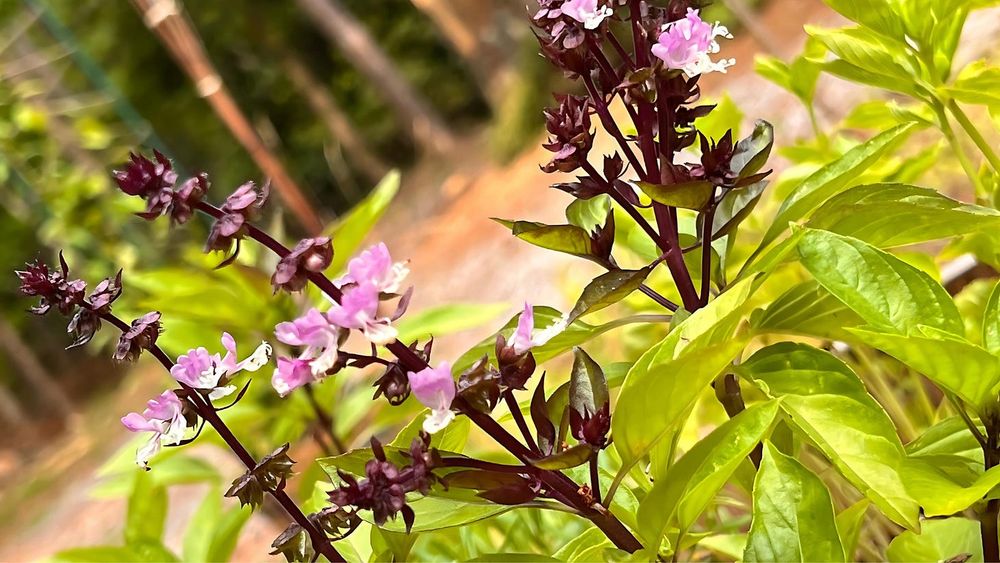
This is the harmony of the garden—a delicate balance between survival and flourishing, between holding back and giving freely. Summer’s heat did not destroy them; it prepared them. And now, as the season shifts, they bloom as if to say: We are here. We have endured. We will bloom again.
There is a reminder for us here, that we, too, are part of this same cycle. That we, too, can root ourselves deeply, weather seasons of hardship, and when the time is right, bloom with all the grace and beauty that is within us. The flowers in the front yard are not just survivors of summer—they are proof that life, in all its forms, is meant to thrive, even after the toughest of trials.