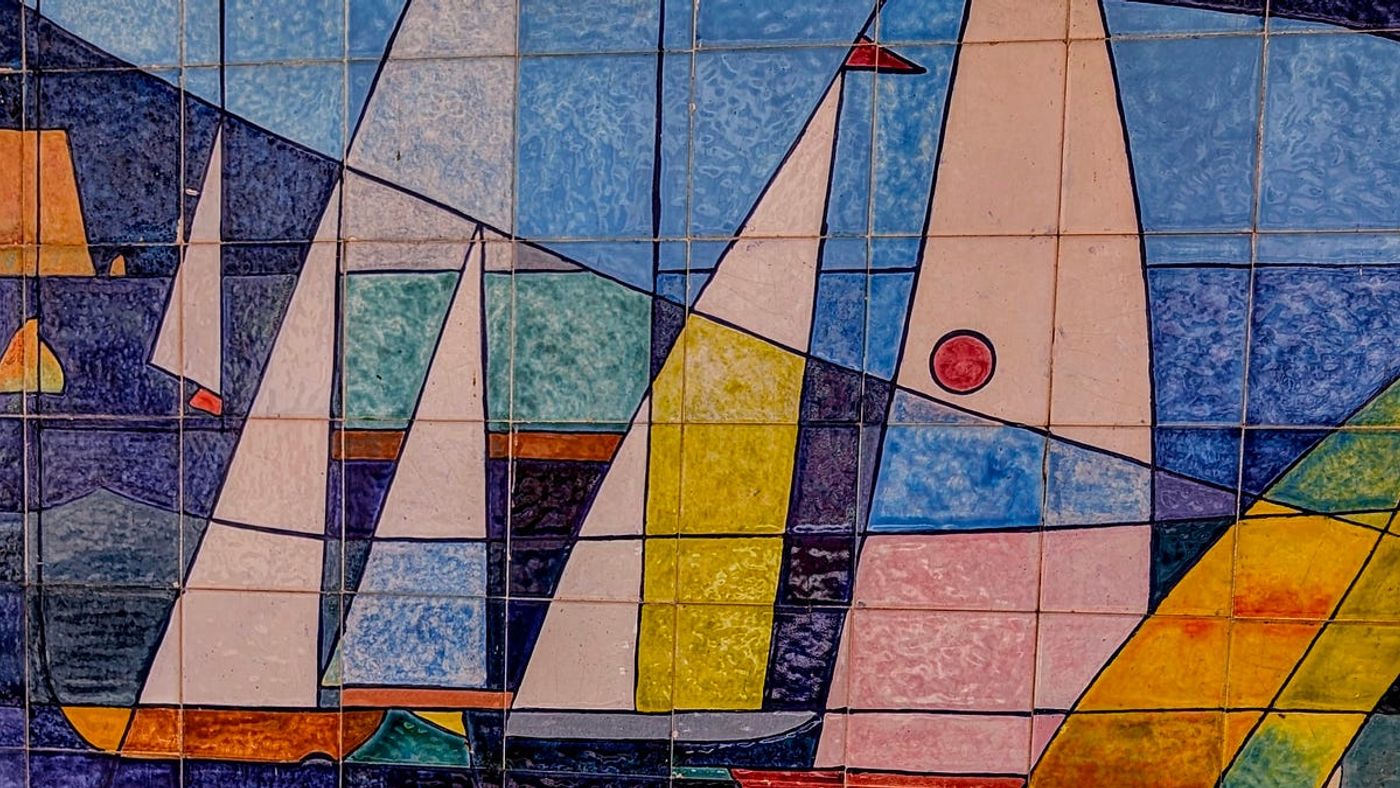
The boats are coming in.
I’m sitting at an outdoor café by the marina, watching gangplanks drop one by one. Passengers spill out. Couples in sandals, sunburned teenagers, a family corralling children sticky with ice cream. Everyone moving at once, everyone carrying a story.
In a moment they are gone, scattered into the promenade, or back to hotels and rental cars. Accidental tourists, living large. But for this moment the dock is a stage, and they’re all players stepping into the same scene.
It’s one of the joys of traveling, especially in tourist towns: the endless parade of “types.” In the space of an afternoon, I’ve heard a dozen languages, half a dozen kinds of music, and watched strangers collapse into belly laughs that needed no translation. For a while, the world feels immense and interconnected, stitched together by these fleeting, unrepeatable gestures.
It’s almost enough to make you forget the troubles back home. Almost.
Because the news there is loud, enormous. It feels like one of those markers in the book of American time, the kind of event that people will point to years from now as an archduke moment. The moment something fundamental was stolen. Early David Bowie stopped me in my tracks around 1970 or so with the line, “watch the ripples change their size, but never leave the stream of warm impermanence.” The current moment is a tsunami, inundating everything it touches.
That is what has me watching these tourists differently. It’s the dual register, the helix of the enormous and the vanishing. Here, laughter dissolves into the wind. A child’s tantrum is forgotten before the next dock is cleared. Whole lives unfold in fragments at the water’s edge and then disappear. But alongside these small evaporations, there is the one story that refuses to fade. That is what history does: it chooses.
Years ago, when a family member died, the whole clan gathered at her house. She had a favorite chair at the kitchen table where she’d drink her coffee and hold court in the mornings.
On the first morning after her death, no one touched the chair. The atmosphere was hushed, every gesture subdued, as though her absence were too large to be disturbed.
On the second morning, the mood had shifted. People were telling stories, remembering her quirks, laughter beginning to creep in. Still, the chair stayed empty, as if emptiness itself were a form of respect.
By the third morning, someone sat down in the chair, and life carried on. The center of the room shifted. The world closed the gap she had left. Not out of cruelty, not out of forgetfulness, but because that is how the field of matter works. It flows. Forward.
Most of life is like that chair. Momentarily sacred, then just another prop. Important for a moment, then folded back into the stream. The tantrum, the laugh, the argument, the thousand private universes carried in the heads of the people disembarking from this afternoon’s boat — all of it will dissolve.
But not everything dissolves at the same rate. Every so often, an event lodges itself in the current, a narrative too charged to vanish, a story amplified by politics or grief or sheer symbolism. And so history becomes a helix: one strand made of the vanishing, the other made of what sticks. The two are braided together, inseparable. The permanence of one makes the impermanence of the other more stark.
This is why the news back home presses so heavily against the lightness of the dockside scene. It is why a headline alters the way I watch tourists stumble off a boat. It’s not that the laughter here matters less. It’s that everything matters differently, depending on whether the world chooses to remember it.
The cotton candy and the monuments, side by side. The chair that is filled after three mornings, and the event that shapes a century. The warm stream where the ripples never stop changing, even when one of them grows so large that everyone who passes through feels the bend.
And still, the boats keep coming in.