Somewhere between the Fed’s twitchy press releases and the latest TikTok finance influencer screaming about gold, we lost the plot. It wasn’t stolen. It eroded. A slow, almost elegant collapse of consensus—geopolitical, financial, existential. And while most people are scrolling, the world is quietly reshuffling its alliances, its assumptions, and its money.
Let’s begin in Asia, where the old dream of an American-led Pacific order is being duct-taped back together under the name AUKUS+. Think of it as NATO’s cousin who moved to the coast, took up surfing, and now wants to deter China. Australia and Japan are the twin anchors—Northeast and Southeast—but there’s a catch: they don’t want the job. Not really. Not if it means taking missiles for someone else’s poker game over Taiwan.
The U.S. is pressing hard, dispatching envoys and defense officials to extract commitments. But when Elbridge Colby asked how exactly Australia and Japan planned to respond if China made a move, the silence was telling. Not a no. Not a yes. Just the kind of pause that says, "We didn’t think you’d actually ask."
Their reluctance is grounded in two very rational fears. One, China is the main customer. You don’t bomb your best client. Two, missiles are not abstract. Even a logistical support role puts them squarely in Beijing’s crosshairs. These countries may wear Western suits and attend U.S. briefings, but they don’t want to fight America's proxy war on their own soil. Who would? They expected America to carry the load, as it always has.
Washington isn’t likely to accept that answer. Expect more pressure, more tariffs, more whispers behind closed doors. Whether by reward or reprisal, the pivot to Asia will proceed, alliances willing or not.
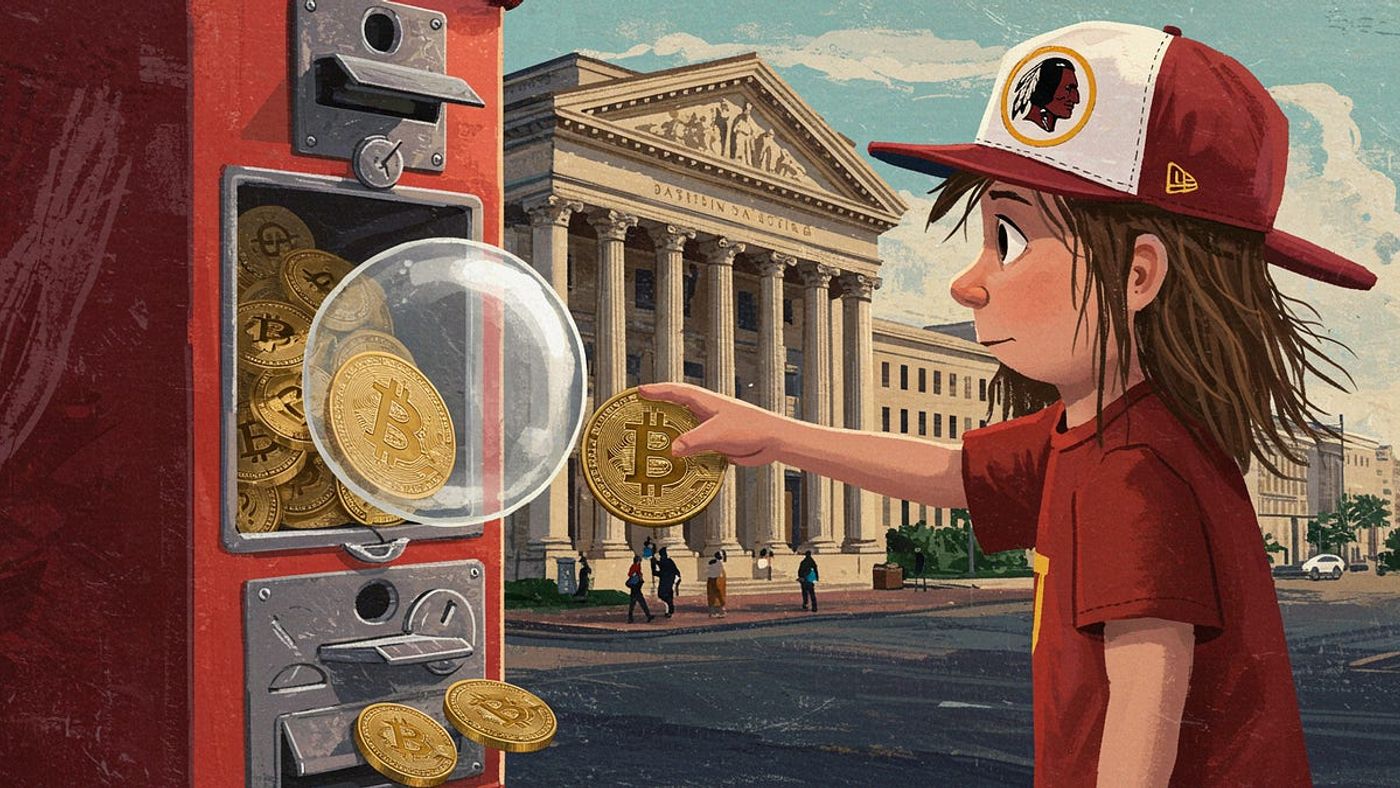
Meanwhile, back on Wall Street—or wherever Wall Street exists now, perhaps more an energy field than a place—the markets are partying like it’s the end of empire. The S&P 500 has punched through 6,300. Bitcoin has kissed $123,000. The Fed is under siege, the dollar is down 11%, and still the bulls charge on.
Why? Because fear has been rebranded as opportunity. Trump’s second term has brought trade chaos and open warfare with central bank independence, but investors—especially the retail crowd—don’t care. They bought the April dip, and it paid. Now momentum and FOMO have become macroeconomic forces.
The big money isn’t even driving this rally. Retail investors, flanked by Reddit memes and YouTube charts, have poured over $50 billion into global equities in the past month. Gold and silver are spiking. The dollar is wilting. And Bitcoin? Bitcoin is moonwalking into a future that might actually make sense for it.
Enter the GENIUS Act—a name only Washington could love—which attempts to bring stablecoins into the regulatory fold. On the surface, it’s about clarity. Beneath that, it’s a seismic shift. If stablecoins go mainstream, banks lose their monopoly on money. People transact peer-to-peer. The velocity of money increases. The plumbing changes.
This could increase global demand for U.S. dollars and Treasuries, paradoxically strengthening the system even as it becomes more fragile. Bitcoin, naturally, smells inflation down the road. And it's responding accordingly.
But the larger issue—the one that threads through geopolitics and markets alike—is trust. Or the lack thereof. Truth, once a shared foundation, now plays second fiddle to performance. Facts compete with vibes. Reality is now a matter of narrative control.
The digital age, for all its connectivity, has made it easier than ever to curate belief bubbles. Algorithms don’t care if something is true. They care if it’s sticky. Social media has turned every phone into a propaganda machine that reflects the user’s own biases back at them, with likes as currency and doubt as a sign of weakness.
Institutions haven’t helped. Governments spin. Corporations obfuscate. Media outlets have become adrenaline dispensaries, selling speed over substance. Whistleblowers are punished, journalists are laid off, and complexity is exiled.
We are now governed, to an uncomfortable degree, by emotional virality. The public square has become a cage match of hot takes, and nuance is treated like treason. In this environment, decision-making degrades, trust collapses, and the door opens wider for the charming liar, the demagogue, the soft authoritarian who promises to make sense of the noise.
If you’re still reading, you already know the solution isn’t easy or sexy. It’s media literacy. It’s supporting the slow, costly work of investigative journalism. It’s protecting those who tell uncomfortable truths. It’s developing an internal compass in an age of manipulated maps.
Because the world isn’t ending. It’s reformatting. And those who see clearly—through the blur, the spin, the dopamine haze—will be the ones best equipped not just to survive, but to shape what comes next.
Stay lucid, Rick @ PrimalBeet