I keep staring at the math, and then I walk outside, and the math laughs at me.
On paper, incomes here look modest. Not tragic. Just tight. Median monthly pay hovers somewhere around 35,000–45,000 lira ($800 - $1,000) depending on who you ask. Minimum wage sits lower. Meanwhile, rent for a halfway decent one-bedroom in a central neighborhood can chew through 25,000–40,000 lira without blinking. Utilities bite. Food costs creep ever upward. Inflation doesn’t knock; it lets itself in.
And yet.
I step onto İstiklal Avenue and it’s a liquidity event. Wall-to-wall humanity. Coffee cups. Shopping bags. Perfume clouds. No one looks like they’re living inside a spreadsheet. It looks like velocity. It looks like cash.
Then I walk into Zorlu Center and the espresso is priced like lower Manhattan. Designer storefronts. Valet parking. The whole performance of prosperity. You don’t build that for ghosts.
So what am I seeing?
First: Istanbul is not Turkey. National medians get dragged down by rural provinces and smaller cities. This place is the commercial heart. Finance. Tech. Export firms. Logistics. Multinationals. There is real money here. Upper-middle. Upper-upper. Asset-rich families who bought land when it was still land. I’m seeing them.
Second: inequality is not subtle. It’s architectural. Within three blocks I can pass a delivery rider hustling for tips, a textile wholesaler clearing serious margin, a tech employee paid in euros by a German firm, and a landlord who hasn’t worried about rent since 1983. When the gap is wide, the spenders dominate the scenery. The squeezed are commuting from the edges.
Third: income here is layered. Salary is just the base note. On top of that: inherited apartments, side businesses, rental income, cash trade, foreign currency savings, remittances. If you don’t pay rent because your grandmother bought the flat decades ago, your entire budget shifts. Ownership is insulation. Renting is exposure.
I cross the Bosphorus, thinking maybe the spell will break. It doesn’t.
In Üsküdar, I find a street that could pass for SoHo. Quiet money. Real estate money. Devout money. Entrepreneurial money. The Bosphorus is not democratic. Waterfront property compounds differently. If your grandfather bought along the strait in the 1960s, inflation didn’t hurt you — it crowned you.
Meanwhile, the macro numbers sing a darker tune. Turkey’s Gini coefficient hovers around 0.43 — Europe’s inequality heavyweight. The top slice captures nearly half the income; the bottom slice splits crumbs. In Istanbul, that contrast feels amplified. Penthouses and gecekondus sharing the same skyline.
And inflation? Brutal for wage earners. But volatility cuts both ways. If you earn in euros or dollars and spend in lira, life looks manageable. Even comfortable. Currency weakness punishes some and quietly enriches others.
There’s also credit. Installment culture is everywhere. Phones, furniture, fashion — structured payments. Visible consumption does not always equal liquidity. Sometimes it equals optimism plus a card limit.
Tourism distorts the picture too. İstiklal Avenue is a funnel: Gulf visitors, Russians, Europeans, diaspora Turks. Foreign currency moves differently. It stretches further. It props up cafés and boutiques in ways local salaries can’t.
And then there’s culture.
In the U.S., middle-class life hides in suburbs and backyards. Here, it spills into the street. People promenade. They sit for hours over tea. Public life is theatrical. Spending is visible. Even when wallets are thin, being out is part of being alive.
The malls aren’t just consumption machines. They’re climate control. They’re social arenas. They’re places to walk without buying anything. The crowd doesn’t necessarily mean cash registers are singing. The food courts are busy busy busy, however.
Statistics tell me that over half of residents struggle with daily expenses. Credit card spending leans heavily toward groceries. Cost of living remains the top national anxiety. And yet, self-reported happiness edges above fifty percent. Life satisfaction hovers in the middle, stubbornly.
This is the part the spreadsheets miss.
Macro governance metrics measure institutions: courts, media, elections. They don’t measure whether strangers argue about football, whether couples hold hands along the water, whether artists open small galleries under fluorescent lights. Alternative lifestyles are understated here, but not in hiding.
Institutional stress can move vertically — media pressure, executive power, court cases — while horizontally, daily life keeps its plural rhythm. Conservative neighborhoods next to bohemian ones. Public piety beside private irreverence. Political tension layered over ordinary warmth.
It looks contradictory because it is.
European price tags. Emerging-market wages. Gulf capital. German remittances. Anatolian entrepreneurship. Apartment deeds older than the Republic. All breathing in the same 400 meters.
The disconnect I feel isn’t imaginary. It’s structural.
Median income looks modest. The cost of living feels European. Luxury malls are alive and well. Plenty of people are quietly doing financial gymnastics behind the curtain.
And the city refuses to collapse into a narrative.
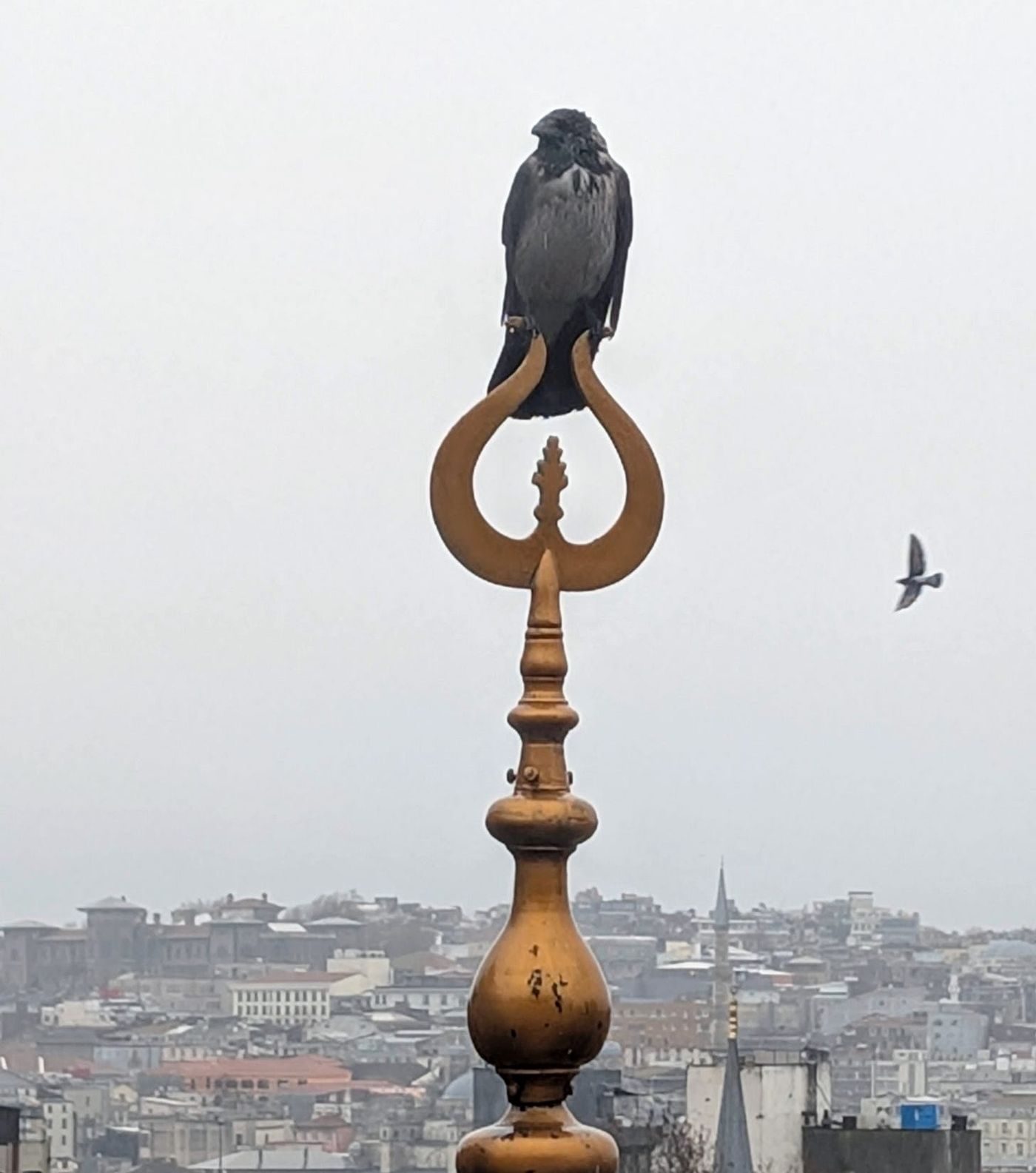
Istanbul doesn’t explain itself. It reflects whatever stands in front of it. Fog, money, strain, laughter — all of it. The streets pulse not because the numbers are good, but because stopping would feel like surrender.
The math is real. So is the street.