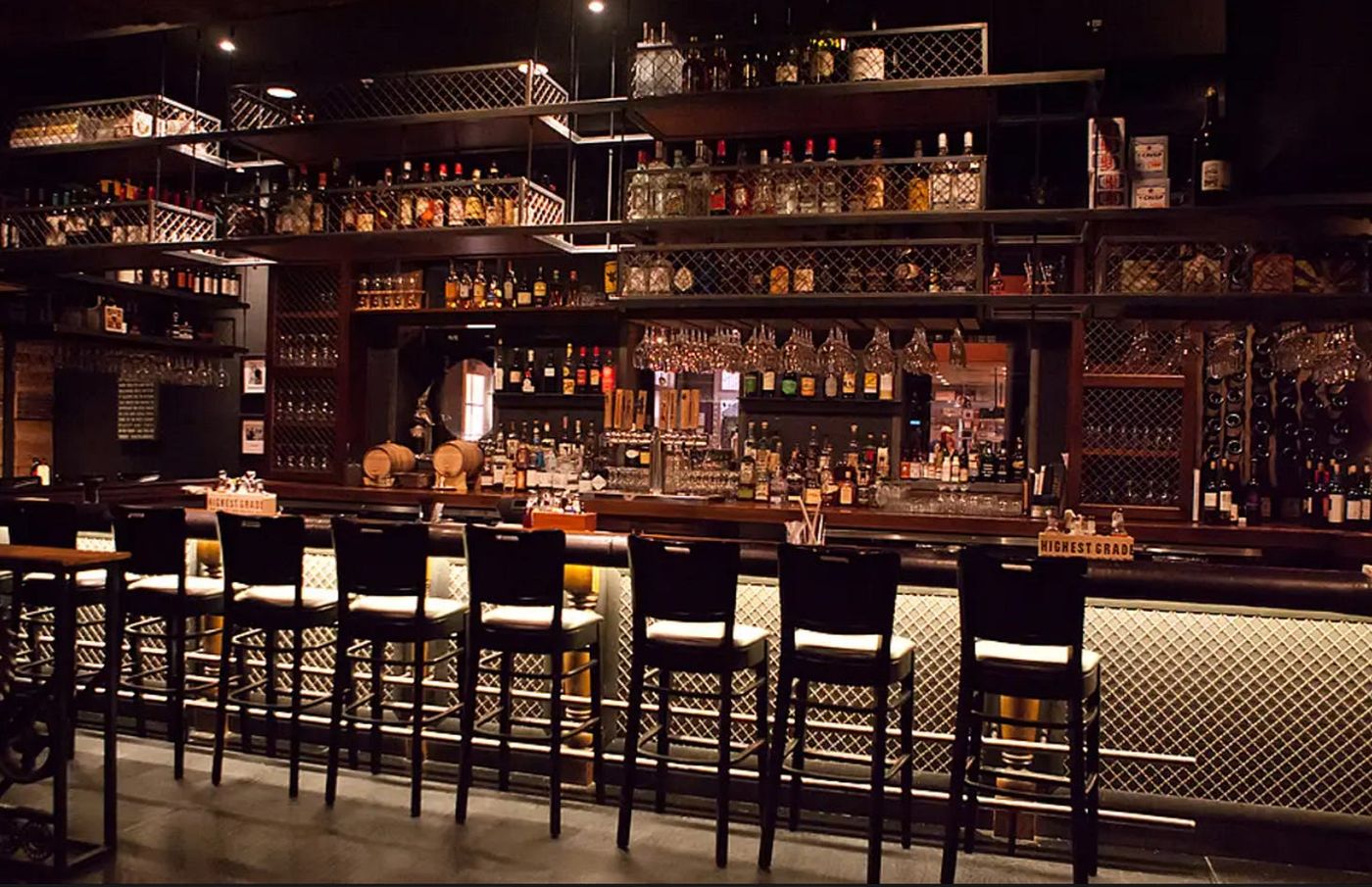
The rain had been polite all morning, tapping the skylight above Jonah’s loft like a librarian clearing her throat. By 2:01 p.m. it had turned impatient, drumming harder, as if reminding him that his mother’s flight from Asheville would land in ninety minutes. Jonah stood at the scarred oak table in his East Atlanta Village walk-up, the same table where last night’s mezcal ring still glowed like a bruise. A single white glove lay folded beside the dead pothos he kept meaning to water.
The party two floors below had finally coughed itself out this morning at 4 a.m. He needed air that didn’t smell like onions and jasmine incense. His phone buzzed.
Mom: Wheels down at 3:17. See you soon, baby.
He thumbed a heart emoji, then pocketed the phone and grabbed the keys to his dented Civic. Jonah needed to see Eleanor.
The corner window looked like a neighborhood deli until you noticed the valet eyeing your shoes. Jonah parked himself, ordered the dry-aged burger with comeback sauce, and nursed a SweetWater 420 while the kitchen clattered behind him like a metronome. When the plate arrived, he ate half, left the rest, and caught the bartender’s eye.
“Hey,” he said, voice low, “I’d like to speak to Eleanor.”
The bartender—tattooed forearm, knowing half-smile—tilted his head toward the back. “She’s in the cooler. Mind the step.”
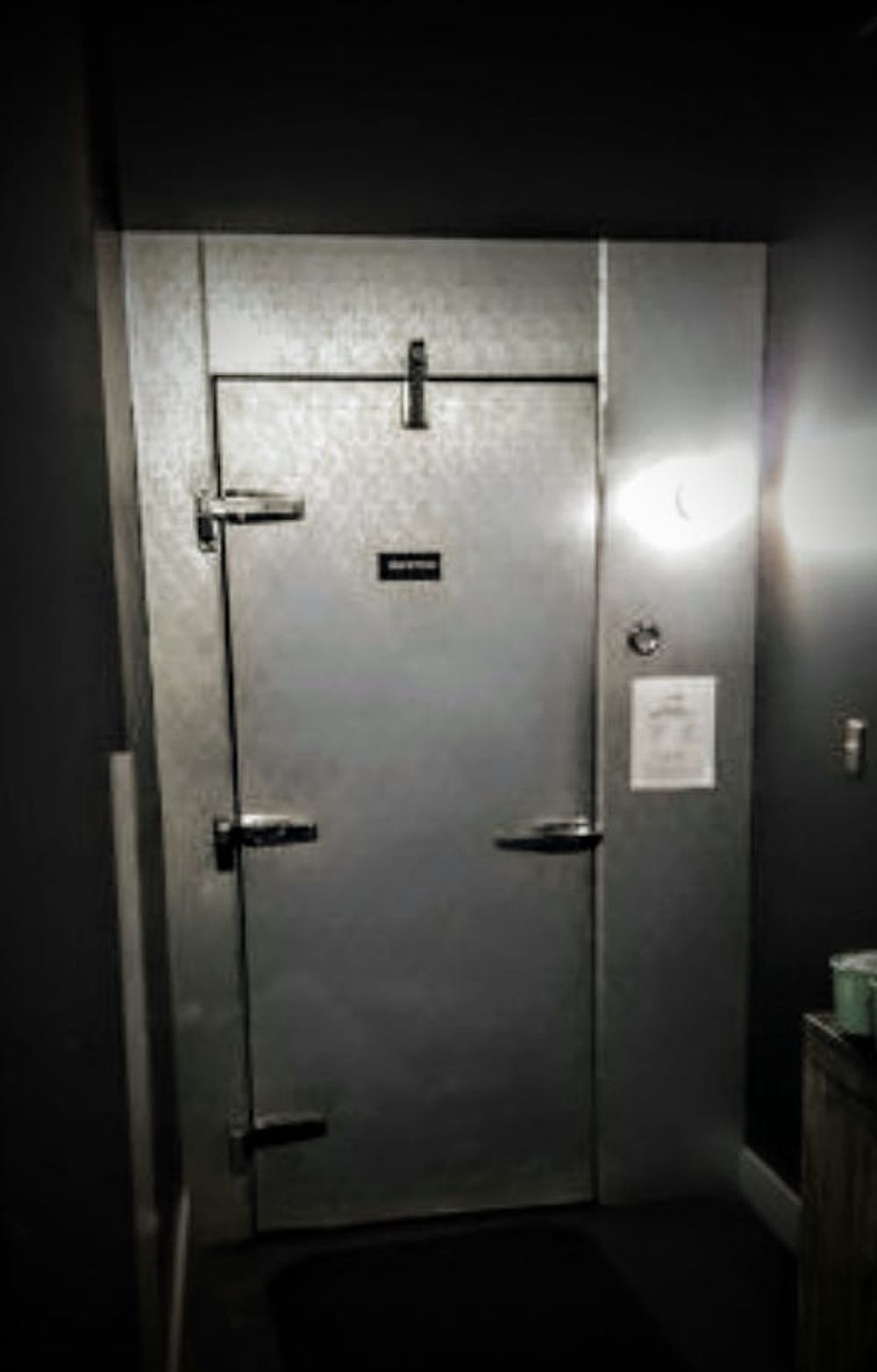
Jonah left a twenty under the plate and walked past the prep line. Stainless steel gleamed. A busboy nodded once, conspiratorial. There: the walk-in cooler door, frost beading on the handle like frozen sweat. He pulled.
The air hit first, fake chill, theatrical, the way old movie theaters blast AC to sell the illusion. Then the narrow hallway, brick walls sweating amber light from sconces shaped like old train lanterns. Jazz leaked in, slow and smoky, something with a brushed snare that felt like a heartbeat you could borrow.
He stepped through the second door and the world shrank to thirty feet of velvet and wood.
Eleanor’s.
Low ceiling, leather the color of bourbon, a bar backlit in gold. Maybe twenty people total: a couple murmuring over charcuterie, a woman in a silk headscarf laughing into her phone, two guys in linen suits arguing about the Falcons like it was 2016. No windows. Time felt optional.
Jonah slid onto a stool. The bartender wore a vest, no name tag.
“Brown Thrasher,” Jonah said. “And whatever that duck flatbread is.”
The drink arrived in a coupe glass, smoke curling off the surface like a genie that had given up on wishes. First sip: applewood, maple, a bite of lemon that made his shoulders drop two inches. The flatbread followed—crispy naan, smoked duck, fig jam, a drizzle of hot honey that tasted like a beehive’s forever.
Jonah set the glass down and noticed the small brass plaque bolted to the bar rail, half-hidden beneath a coaster:
“For Eleanor—may every fold find its wings.” The words hit like a skipped heartbeat. He’d seen that line before, scrawled on the back of a photograph his mother mailed him years ago, the one of a woman in a white apron, arms crossed, wearing one white glove, standing in front of a New York liquor store under the 59th Street Bridge.
Eleanor Seale. Employee #2. The one who taught Mom how to balance books and break hearts with the same calm hand. His mother had never said it outright, but the stories were there: late-night phone calls, care packages of fig jam, the way she still said “Eleanor always said…” like scripture. Jonah’s fingers tightened around the coupe.
He was halfway through both when his phone buzzed again.
Mom: Uber’s here. Be there by 4.
He stared at the screen, then at the glove he’d inexplicably slipped into his jacket pocket. White cotton, one button missing, the kind of thing you find in a drawer and can’t remember owning.
“Another?” the bartender asked.
Jonah shook his head. “Gotta let the lady in.”
He paid, pulled out another twenty, the portrait of Andrew Jackson staring up like a disappointed uncle. Jonah smoothed it flat on the bar, the leather cool under his palm, began to fold it. He’d learned the fold years ago from a bartender in Decatur who claimed it was “origami for the broke and the broken.” Twenty creases, no scissors, no glue. Just pressure and patience.
When it was done, the crane perched on the bar nap, wings trembling in the draft from the AC vent. It looked fragile, like the half-written apology he’d folded into his pocket months ago and never mailed. But this one wouldn’t yellow in a drawer. This one would fly, maybe into a tip jar, maybe into the bartender’s pocket, maybe into the trash behind the cooler door. Didn’t matter. It was for Eleanor. The folding was the sending.
Outside, the rain stopped, but the air still smelled like wet pavement and second chances. Jonah stood under the awning, breathing steam and pecan smoke from the kitchen exhaust. He pulled the glove from his pocket, turned it over once, and tucked it into the planter by the door—beside a half-dead basil someone kept watering anyway.
His mother’s Uber would pull up to the loft in forty minutes. The pothos would still be dead. The mezcal ring would still be there. But the crane was flying now, and the taste of smoked apple lingered like a promise he might keep.
He was halfway to the Civic when the deli door swung open behind him. The bartender—vest unbuttoned now, sleeves rolled—held the paper crane between two fingers like it might take off.
“Hey, man,” he called, voice low but carrying. “This yours?” Jonah turned. The bartender’s eyes flicked to the planter, then back to Jonah. “That glove,” he said, softer. “Eleanor lost the mate twenty years ago. Said it walked off with someone who needed it more.” He set the crane on the valet stand, wings catching the last of the drizzle.
“Looks like it found its way home.”
The bartender disappeared back inside, door swinging shut like a quiet thank you. Jonah stood there a second longer, rain starting again, just a mist. He nodded a little prayer, got in the car, let the Atlanta afternoon fold him in a warm embrace.